
Xiamen Better Silicone Rubber Co., Ltd
- All
- Product Name
- Product Keyword
- Product Model
- Product Summary
- Product Description
- Multi Field Search
 |
| Quantity: | |
|---|---|
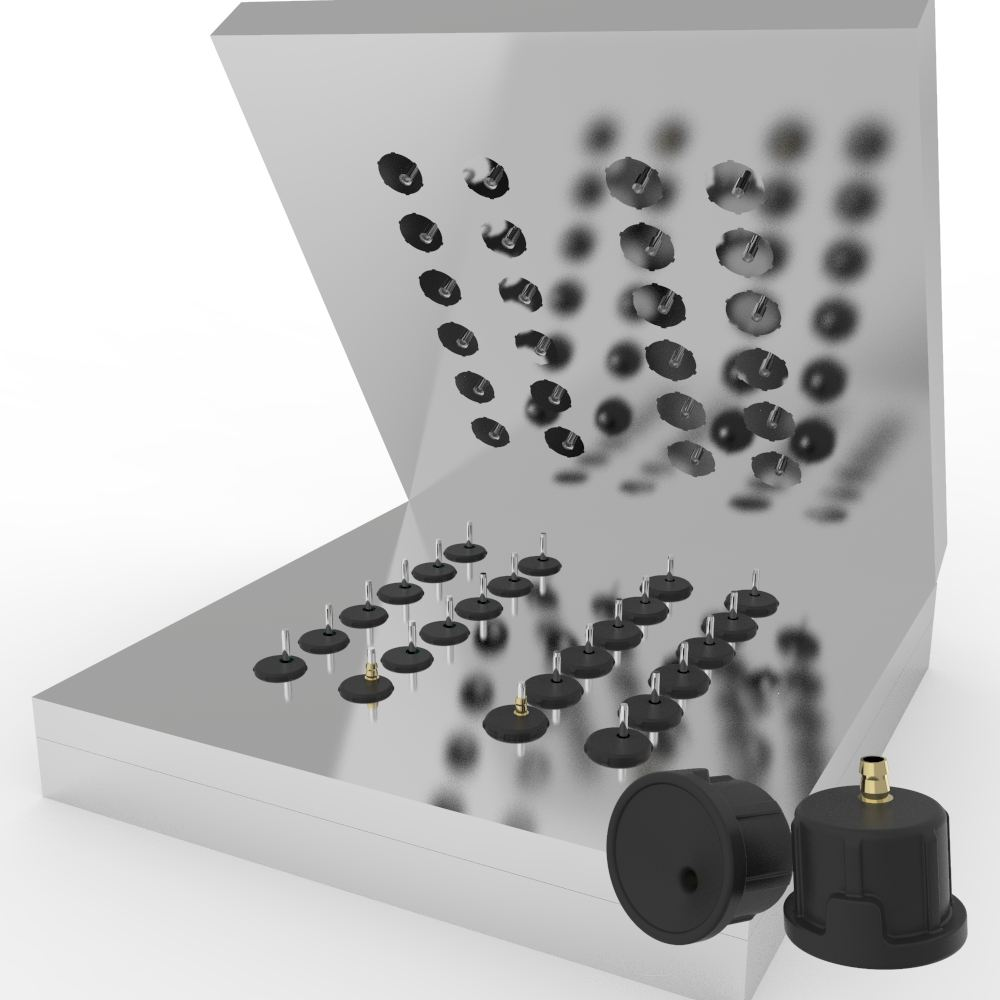
What Is Composite Compression Molding?
Composite Compression Molding & Moulding, also called Composite Mould Tooling, is an advanced composite processing technique that forms uniform, high‑strength composite parts through chemical curing under controlled pressure and elevated temperatures.
What Are the Applications of Composite Compression Molding
Kitchenware
Medical and Dental Device Parts
What Are the Types of Compression Molds
How Does Composite Compression Molding Work?
Mould Fabrication ⬇ | Fabricate mould tools through machining, casting or 3D‑printing |
Equipment Setup ⬇ | Clean mould, adjust parameters and carry out pre‑heating. |
Material Loading ⬇ | Weigh proper‑sized material and place it inside the lower mould. |
Pressure‑heat Moulding ⬇ | Close the mould, use heat and pressure to shape the composite piece. |
Part Ejection ⬇ | Remove the cured parts from the mould. |
Trimming‑Cleaning ⬇ | Remove excess flash and clean finished goods |
Why Choose Compression Molding?
Advantage
| Cost‑efficient production | Low‑cost mould tools endure long service life. The multi‑cavity mould design offsets slow forming cycles, which suits the low‑volume manufacture of large‑sized and flat‑shaped work‑pieces. |
| Excellent mechanical performance of finished items | Molded pieces gain high structural stability, outstanding wear‑resistance and corrosion‑resistance. |
| Broad material‑adaptability | This technique works well for high‑viscosity raw materials including rubber, silicone and fibre‑reinforced resin. Recycled and eco‑friendly substances are also available. |
| High design flexibility | Moulds support custom‑made structures from basic outlines to complex outlines. Low‑cost 3D‑printed dies enable fast‑speed prototype development. |
| Fine surface finish and material‑saving property | Raw materials get fully utilized inside the mould cavity. Finished parts obtain smooth surface quality and are available for batch‑scale manufacture. |
Disadvantage
| Shape limitation | Hard to process thin‑wall workpieces and tiny intricate details. |
| Slow cycle speed | Long heating‑pressing‑cooling cycle, slower than injection molding. |
| Extra‑labour work | Manual removal of flash causes higher labour cost and material waste. |
Advantage > Disadvantage
Why Choose Better Silicone for Compression Molding
Strict Flash Control
We keep the flash of compression‑molded rubber parts under 0.07 mm, with the minimum value reaching 0.03 mm. Zero‑flash silicone gaskets are available via liquid silicone injection molding.
Stable Product Quality
We maintain consistent wall‑thickness accuracy and reliable physical performance for finished rubber components.
Rich Customizable Product Range
We supply multiple kinds of sealing accessories made from silicone, nitrile, neoprene and EPDM materials.


